
Common Wildlife Problems Homeowners Face
To address common wildlife problems homeowners face, local service providers can help remove animals safely and effectively from your property.
Homeowners in the area often encounter common wildlife problems that can impact the safety and comfort of their properties. Whether it’s critters finding their way into attics, rodents nesting in walls, or birds roosting on rooftops, these issues are more than just nuisances-they can lead to property damage and health concerns if left unaddressed. Recognizing the signs early and understanding the risks involved can make a significant difference in maintaining a safe, pest-free home environment. Exploring practical solutions with experienced local contractors can help address these challenges effectively and efficiently.
For property owners facing wildlife-related concerns, connecting with local wildlife removal specialists offers a reliable way to resolve these problems. These service providers are equipped to handle a variety of issues, from humane removal to prevention strategies that keep unwanted visitors out. By working with professionals familiar with the area’s common wildlife challenges, homeowners can find tailored solutions that safeguard their homes while respecting local regulations. Keep reading to learn more about the typical wildlife problems homeowners face and how local experts can help restore peace and safety to your property.
- Bird Control - when homeowners notice bird droppings or nesting activity near vents and eaves, local contractors can implement humane deterrents and exclusion methods.
- Rodent Removal - signs of droppings, gnaw marks, or strange noises inside the walls indicate rodent activity, and local service providers can set traps and seal entry points.
- Bat Exclusion - if bats are found roosting in attics or wall spaces, local pros can safely remove them and install exclusion devices to prevent future visits.
- Squirrel Removal - when squirrels are seen around the roof or in the attic, local contractors can perform humane removal and repair entry points to stop re-entry.
- Raccoon Control - raccoons rummaging through trash or nesting in crawl spaces require professional exclusion and cleanup services provided by local wildlife specialists.
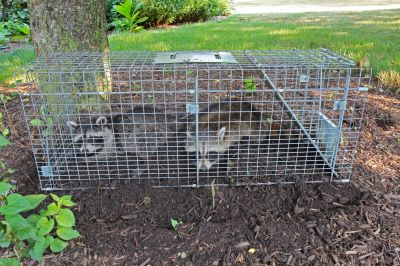
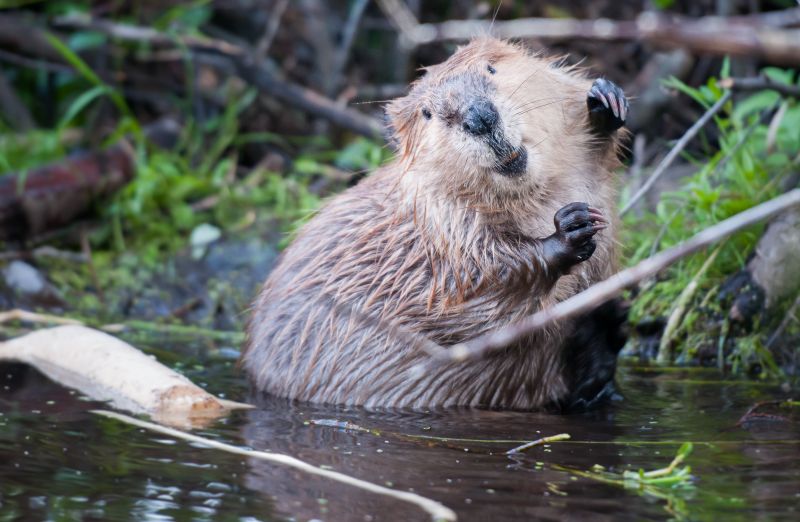
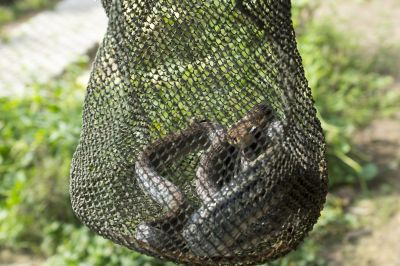
Many homeowners searching for information on common wildlife problems face concerns about animals invading their properties and causing damage or disturbances. These issues often involve animals such as raccoons, squirrels, bats, or birds that find ways into attics, crawl spaces, or other sheltered areas. When people look into this topic, they are usually seeking understanding of how wildlife can impact their homes, what signs to watch for, and what steps are necessary to resolve these issues effectively. Recognizing these problems early can help prevent more serious damage and reduce health risks associated with animal droppings, nests, or bites.
The problems related to wildlife often involve animals seeking food, shelter, or nesting sites within or around residential properties. Homeowners might notice chewed wires, stained ceilings, or strange odors indicating an animal has taken up residence. Plans to address these issues typically include trapping, exclusion, and removal strategies to safely and humanely eliminate wildlife from the property. These efforts are essential to prevent animals from returning and to ensure that the home remains safe and free of pests that could cause structural or health problems.
Certain types of properties tend to experience wildlife problems more frequently. Attics, basements, and crawl spaces are common entry points for animals seeking refuge, especially in homes with accessible openings or damaged areas. Rural properties with nearby woods or water sources may see more frequent wildlife activity, but even urban and suburban homes are vulnerable to invasions by raccoons, squirrels, or pigeons. Understanding the specific vulnerabilities of different property types helps homeowners recognize potential risks and consider appropriate exclusion or removal plans.
Local service providers specializing in wildlife removal play a key role in resolving these common problems. They offer expertise in identifying wildlife entry points, safely trapping or excluding animals, and preventing future invasions. For homeowners facing wildlife issues, connecting with experienced pros ensures that the problem is handled humanely and effectively, reducing the likelihood of recurring issues. These professionals are an important resource for turning a wildlife intrusion into a safe, animal-free home environment.
Gutter cleaning and maintenance - professionals who handle wildlife exclusion often also offer gutter cleaning to prevent animals from nesting in clogged or damaged gutters.
Attic insulation and ventilation - improving attic airflow and insulation can deter wildlife from nesting, with local contractors providing these related services.
Squirrel and raccoon proofing - installing barriers and proofing entry points is a common skill shared by wildlife removal specialists and home repair experts.
Bird control and netting - managing bird populations around homes involves similar planning and tools as wildlife exclusion to prevent nesting issues.
Damage repair and prevention - fixing chewed wires, insulation, or structural damage caused by wildlife is often coordinated with exclusion services.
Pest exclusion and sealing - sealing gaps and cracks to prevent animal entry is a core part of wildlife removal that overlaps with general pest-proofing projects.
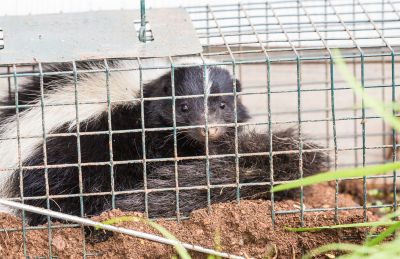
When comparing wildlife removal service providers, it is important to consider their experience with similar projects involving common wildlife problems homeowners face. Service providers who have handled a variety of wildlife issues, such as raccoons in attics or bird infestations, are likely to understand the nuances of each situation and provide more effective solutions. Homeowners should inquire about the types of wildlife problems the local contractors have addressed and their familiarity with the specific challenges presented by these animals. This background can help ensure that the chosen provider has the practical knowledge needed to handle the unique aspects of wildlife issues commonly encountered in residential settings.
Clear written expectations are essential when evaluating wildlife removal services. Homeowners should seek detailed descriptions of the scope of work, including inspection procedures, removal methods, and any follow-up or prevention measures. Having this information in writing helps establish a mutual understanding of what the service provider will deliver and prevents misunderstandings. It is also beneficial to ask for reputable references or reviews from previous clients who faced similar wildlife problems, as these can provide insights into the consistency and quality of the provider’s work. Reliable references can serve as a valuable resource for assessing whether a local contractor has a track record of successfully resolving wildlife issues.
Effective communication is a key factor when selecting wildlife removal service providers. Homeowners should look for providers who are transparent, responsive, and willing to answer questions about their approach and procedures. Good communication ensures that expectations are aligned and that any concerns can be addressed promptly throughout the process. Providers who communicate clearly and openly are more likely to coordinate effectively and keep homeowners informed about progress and next steps. Prioritizing service providers with strong communication skills can help ensure the wildlife removal process proceeds smoothly and that the homeowner feels confident in the chosen professional’s ability to resolve common wildlife problems efficiently.
Property owners often search for common wildlife problems homeowners face when they are planning practical projects around their homes and businesses. Local pros provide Wildlife Removal services for everyday jobs and straightforward project options.
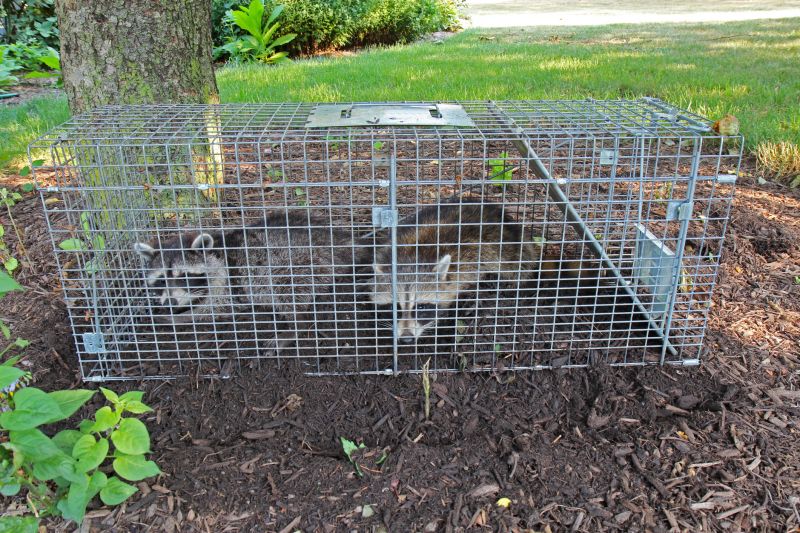
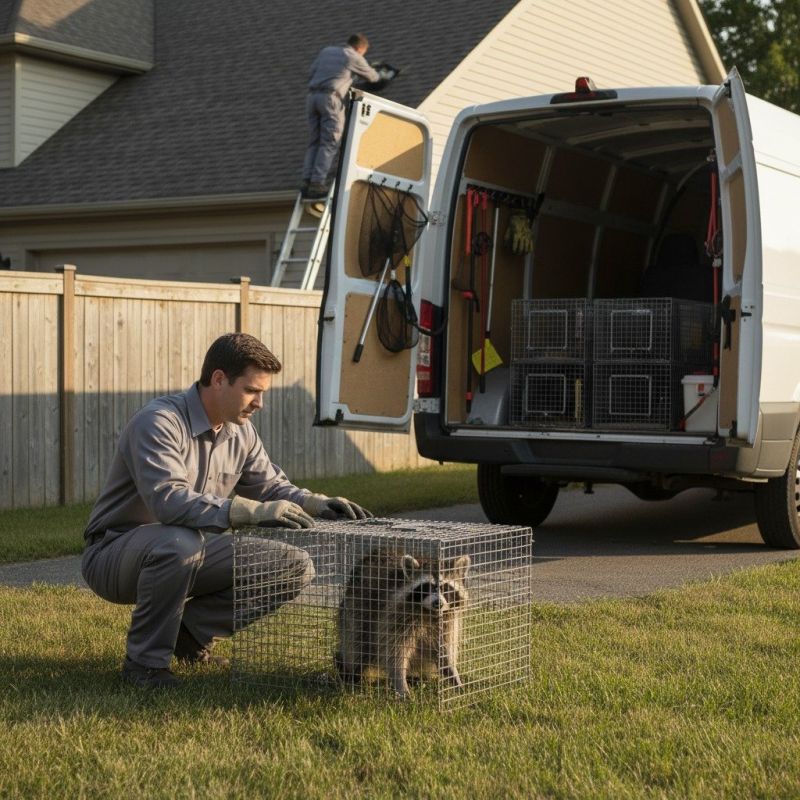
Homeowners often encounter common wildlife problems that can disrupt daily life and cause property damage. These issues frequently involve animals such as raccoons, squirrels, bats, or birds finding their way into attics, crawl spaces, or other hidden areas of a home. Such intrusions can lead to noise disturbances, unpleasant odors, and potential health concerns, prompting property owners to seek solutions from local contractors experienced in wildlife removal.
Many property owners look up this topic when they notice signs like droppings, chewed wiring, or nests on their property. These indicators suggest a wildlife presence that may require professional intervention. Local service providers specializing in wildlife removal are equipped to handle these situations safely and effectively, helping homeowners resolve issues and prevent future occurrences. Connecting with experienced wildlife removal contractors can be a practical step toward maintaining a safe and animal-free home environment.
What are common signs of wildlife intrusion in homes? Signs include droppings, chewed wires or wood, strange noises at night, and nests in attics or wall cavities. Local contractors can assess the property and recommend effective removal methods.
How do wildlife animals typically enter homes? They often enter through small openings, gaps around vents or pipes, damaged soffits, or poorly sealed windows and doors. Local wildlife removal experts can identify and seal these entry points to prevent further issues.
What types of wildlife problems are most common for homeowners? Common issues include raccoons in attics, squirrels in walls, bats roosting in eaves, and birds nesting in vents. Local service providers can safely remove these animals and prevent future access.
Why is it important to address wildlife problems promptly? Delaying removal can lead to property damage, health risks from droppings or parasites, and increased animal activity. Local pros can handle the removal efficiently and help secure the home against future invasions.
How can homeowners prevent wildlife from returning after removal? Sealing entry points, installing barriers, and maintaining property upkeep are key steps. Local contractors can perform these preventative measures to reduce the likelihood of recurring problems.
Identifying entry points - Homeowners can work with local contractors to locate and seal gaps or openings that wildlife may use to access the property.
Installing deterrents - Practical projects include setting up barriers or devices recommended by local wildlife removal experts to discourage animals from returning.
Removing attractants - Homeowners can eliminate food sources and nesting materials around their property with guidance from local pros to reduce wildlife visits.
Performing habitat modifications - Making changes to landscaping or outdoor structures can help prevent wildlife from establishing shelter near the home, with assistance from local service providers.
If you are thinking about common wildlife problems homeowners face for a property, this guide is meant to help you understand this topic, the typical project types, and how different options might fit your plans.
When you are ready, you can use the quote form on this page to share a few details about your project. From there, local pros can review the basics and follow up with options that match what you have in mind.